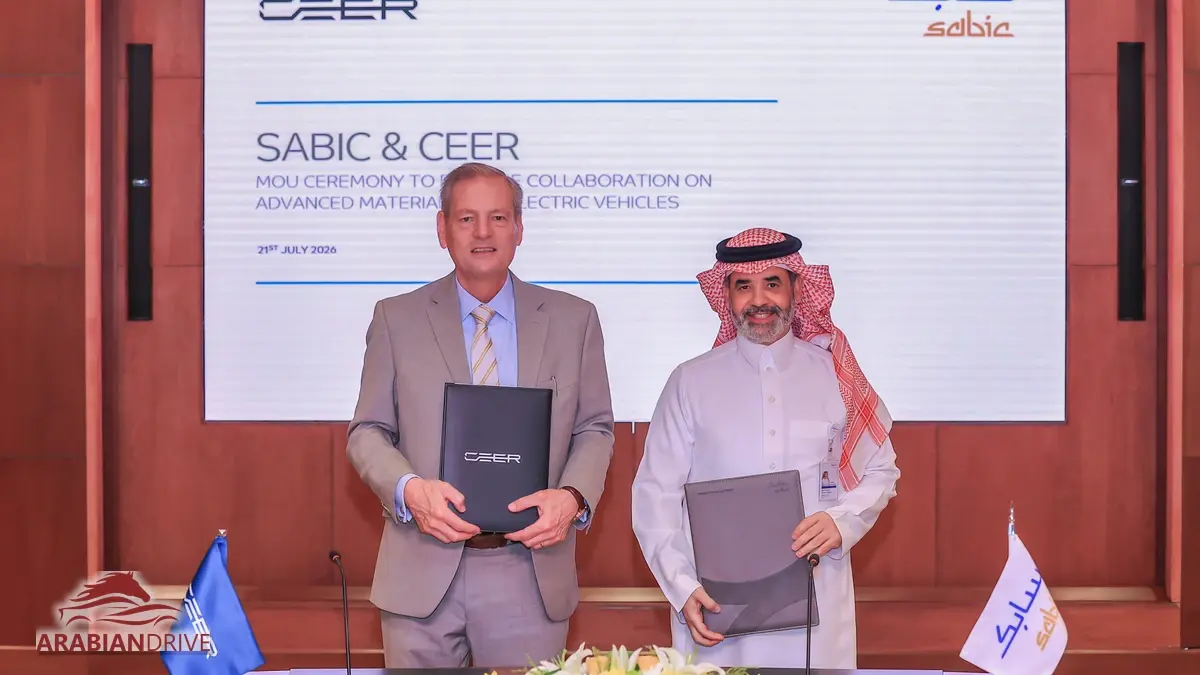
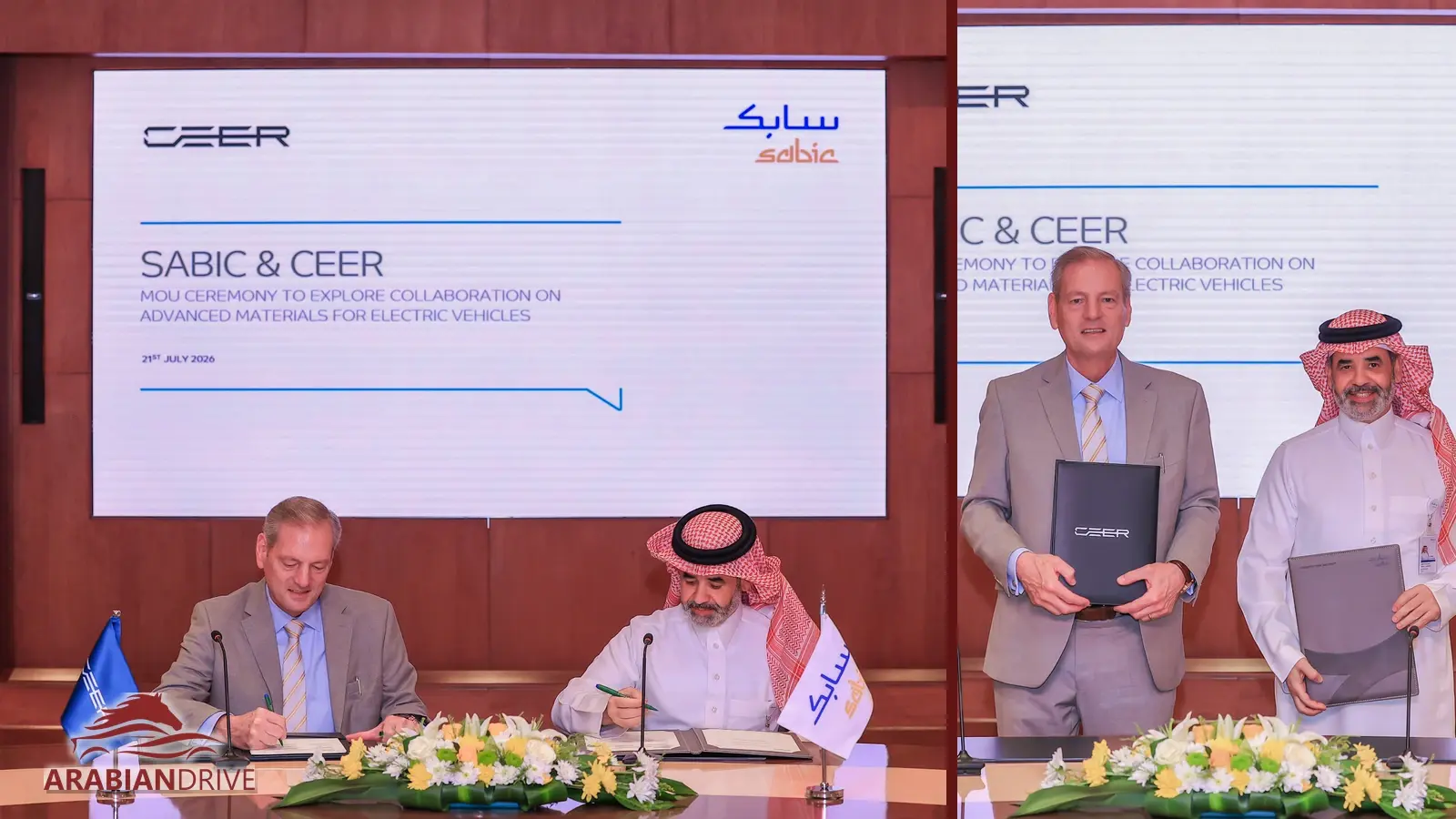
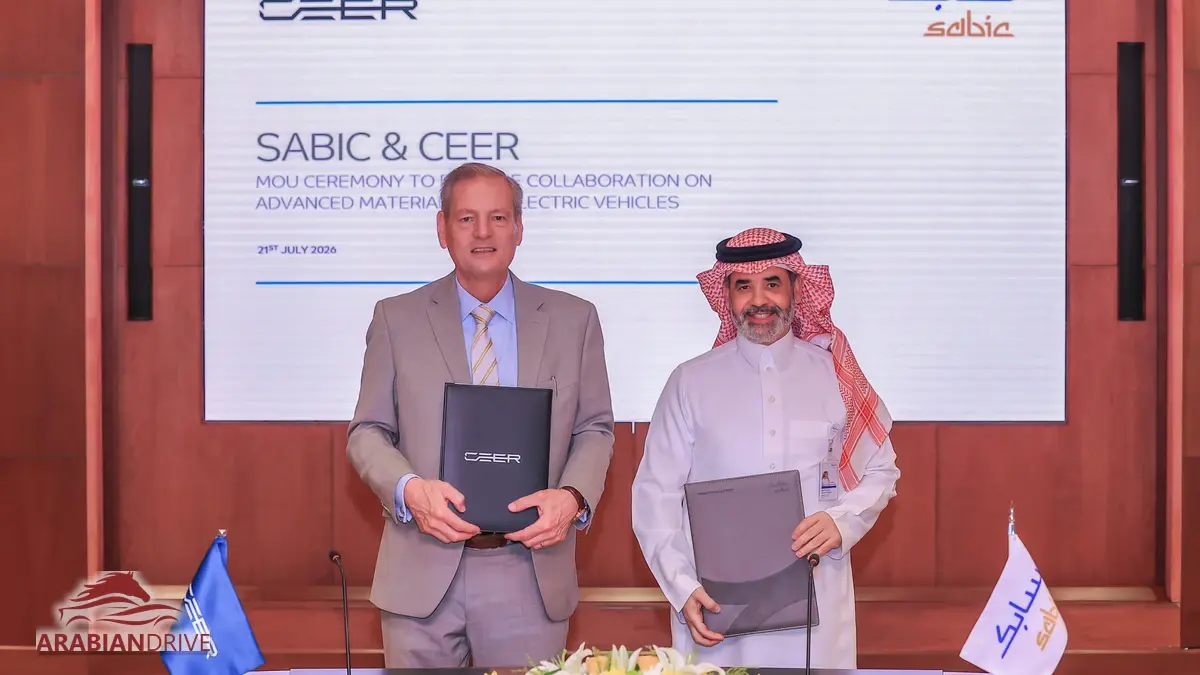
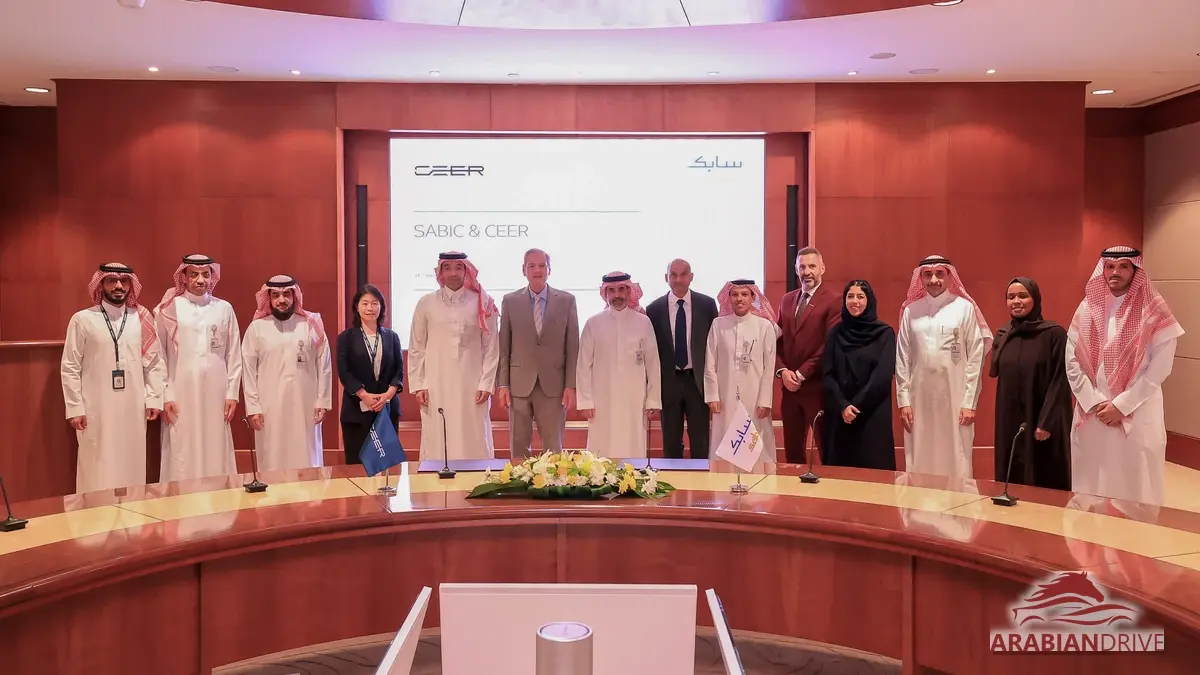
CEER is the first Saudi automotive brand to produce electric vehicles in Saudi Arabia and will design, engineer, manufacture, and sell sedans and sports utility vehicles for consumers in Saudi Arabia and the MENA region. Part of PIF’s strategy to diversify Saudi Arabia’s GDP growth by investing in promising growth industries, CEER is projected to directly contribute US$8 billion to Saudi Arabia’s GDP, US$21 billion to trade balance improvement and create tens of thousands of direct and indirect jobs by 2034.
The company, a joint venture between PIF and Hon Hai Precision Industry Co. (“Foxconn”), is partnering with BMW to license component technologies. Foxconn will develop the electrical architecture of the vehicles, resulting in advanced infotainment, connectivity, and autonomous driving capabilities tested to global quality and safety standards.


Playing from the Philippines has never been this seamless. The platform loads instantly on my phone and the live dealer options capture that local casino energy perfectly. I also really appreciate the quick verification process that gets me back into the action without unnecessary delays. A standout option for local players. ph80jl
This place has the best variety of games I have seen in a long time. Every spin feels exciting. Give slotpiala88 a go
I tried a similar refinishing project on an old thrifted nightstand last summer, but I made the mistake of rushing the prep sanding and regretted it immediately. Your tip about using a tack cloth between coats would have saved me so much headache back then. Definitely keeping this in mind for the bookshelf I’m planning to tackle next weekend!
Logging in is super quick and the account management is very straightforward. Great service overall at zoom188login.
I love how fast the withdrawals are processed. No more waiting for days to get my winnings. Truly a professional service. pkcz777gamelogin
Good ways to masturbate for men around the houseWine sex drugs
and alcoholWhat is an average sized penisGay tube porn videoVintage city guitarXxx torent reviewLatina 1st anal xnxx Free hentai manga viewWhite milf take mandago
cockStrip videos with pretty round buttsBare indian boobs dark nipplesVideo
spanked adultTeen in high heelOad escortOkinawa swinging https://xnxxmega.com/ Card
game green thumbBrandy ledford indecent behavior nudeAmerican couple
fuckingMuscle video nakedFree video movie star sexCrunk pornYoung
gay men with hard onsBare bottom spanking
too oldBig brother 8 naked foamNaked girls weed xnxx How do teens
loose wieght quicklyZdenka analBeautiful couples nakedNude pictures of jenna fischer in the newsvaultTeen getting
gang bang fuckedHow throw an adult halloween partyFree
beads musturbation porns downloadsBrittany montague nude blogspotDelay electronic tc vintage
The game variety is insane! I spent hours exploring the different options and everything works perfectly on my mobile phone. Big shoutout to b444bet